

Mahashivratri is one of Sanatan Dharma’s most important festivals and is celebrated on the fourteenth day of Magh Chaturdashi of Krishna Paksha in Falgun month. Mahashivratri signifies the overcoming of darkness and ignorance and moving into a state of superconsciousness. This year Maha Shivratri is on February 15, 2026. On this day, Mata Parvati was married to Lord Shiva.
Of the twelve Shivratri every year, Mahashivratri is the most significant spiritually because of the favorable planetary conjunctions at this time. At this time, there is a surge of Divine Energy throughout the cosmos. Mahashivratri is a night devoted to the worship of Mahadev. Devotees observe a strict fast on this day. Some organise all-night Jagratas and some perform ritualistic puja during the night.
Significance of Maha Shivratri
Mahashivratri festival has great importance in the Hindu religion. According to the Hindu calendar, Mahashivratri is celebrated 2 times every year. The first Mahashivratri is celebrated on Krishna Chaturdashi Tithi in the month of Phalgun and the second is celebrated on the Chaturdashi Tithi of Krishna Paksha in the month of Sawan.
There is a religious belief that in the month of Phalgun, Lord Shiva was married to Mother Parvati. Therefore, every year Mahashivratri is celebrated with great pomp in the month of Phalgun.
On this day, Mother Parvati and Lord Shiva are worshipped in four Prahars. It is believed that doing this removes all the troubles of life and brings happiness, peace and prosperity in the house.
It is believed that Mother Parvati had performed rigorous penance to get Lord Shiva as her husband and on the day of Mahashivratri, Mother Parvati’s penance was successful and her marriage was concluded with Lord Shiva.
On this day, married women observe the Mahashivratri fast to attain unbroken good fortune.
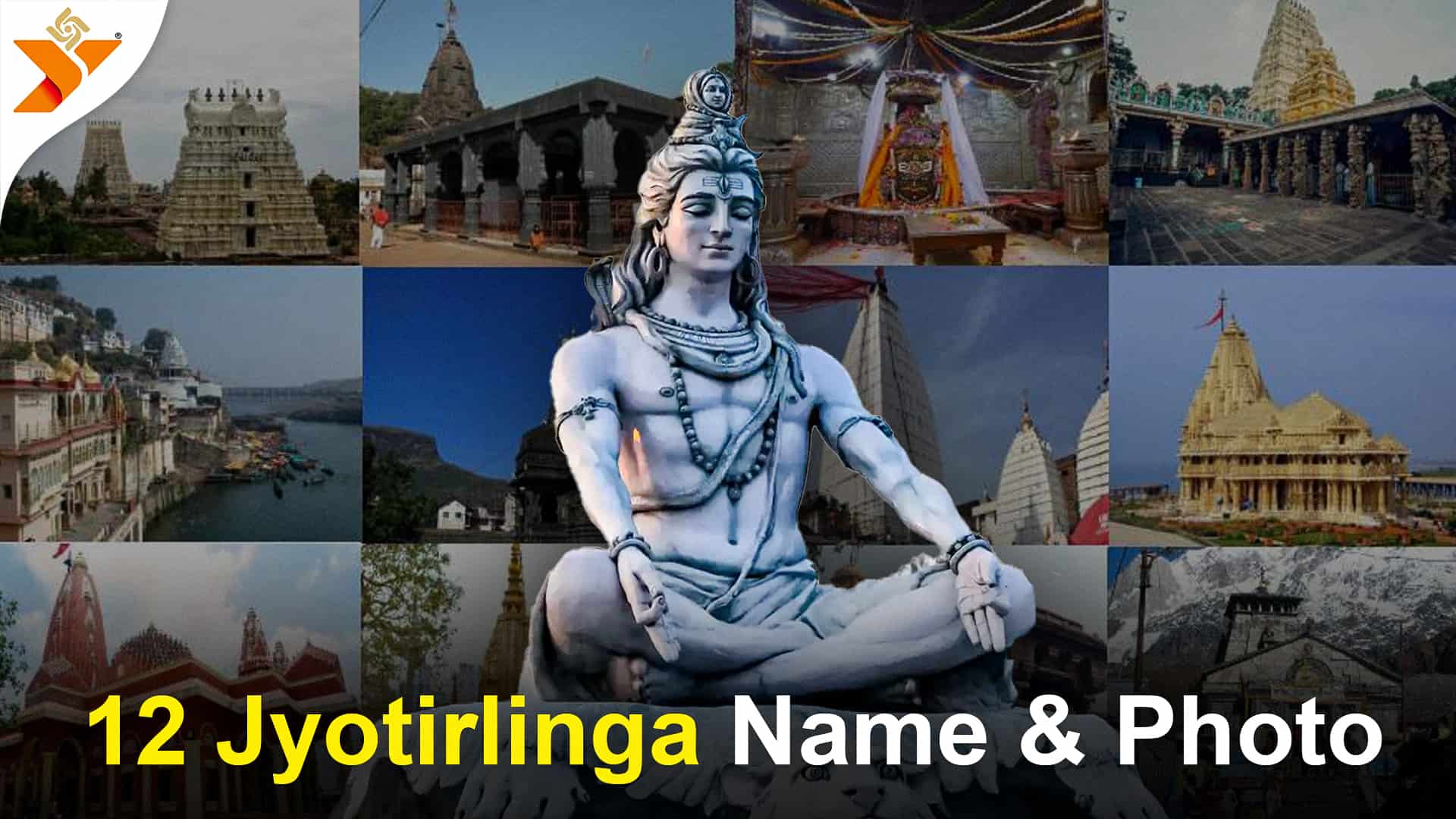
Also, learn more about the 12 Jyotirlinga Temples.
Maha Shivratri 2026 Date and Time
The exact date of Phalgun Mahashivratri in the year 2026, Chaturdashi Tithi of Krishna Paksha of Phalgun month will start on February 15, 2026, at 05:04 AM and will end on the next day, February 16, 2026, at 05:34 PM.
Maha Shivratri 2026 Puja Muhurat
| Muhurat | Date | Time |
|---|---|---|
| Nishita Kaal Puja Time | 16th February 2026 | 12:02 AM to 12:51 AM |
Maha Shivratri 2026 Char Prahar Puja Timings
| Prayers for Mahashivratri | Date | Time |
|---|---|---|
| First Prahar | 15th February 2026 | 06:22 PM to 09:24 PM |
| Second Prahar | 15th February 2026 | 09:24 PM to 12:27 AM |
| Third Prahar | 16th February 2026 | 12:27 AM to 03:29 AM |
| Fourth Prahar | 16th February 2026 | 03:29 AM to 06:32 AM |
Note: According to the night puja time, Mahashivratri will be celebrated on February 15 only.
Maha Shivratri 2026 Puja List and Vidhi
To perform Maha Shivratri Puja, you will need:
- Bel leaves (Bilva Patra)
- Gangajal (holy water from the Ganges)
- Milk, yoghurt and honey
- Flowers and fruits
- Sandalwood paste
- Incense sticks and a diya (lamp)
- White cloth
- Sacred thread (kalava)
To perform Maha Shivratri Puja, here is the Vidhi:
- Preparation: Cleanse your body and wear clean white clothes. Set up a Shiva Lingam for the puja.
- Fasting: Observe a fast throughout the day, consuming only water, fruits or milk if needed.
- Abhishekam: Offer a holy bath to the Shiva Lingam with Gangajal, milk, yoghurt, honey and water.
- Offerings: Place bel leaves, flowers and fruits on the Lingam while chanting “Om Namah Shivaya.”
- Aarti: Light a diya and incense sticks, then perform the aarti while praying for blessings.
- Meditation: End the puja by meditating and staying awake through the night, reflecting on Lord Shiva’s virtues.
YatraDham.org provides a puja booking facility for devotees. The list of pujas available is given below.
- Rudrabhishek Puja at Haridwar
- Abhishek Puja at Parli Vaijnath
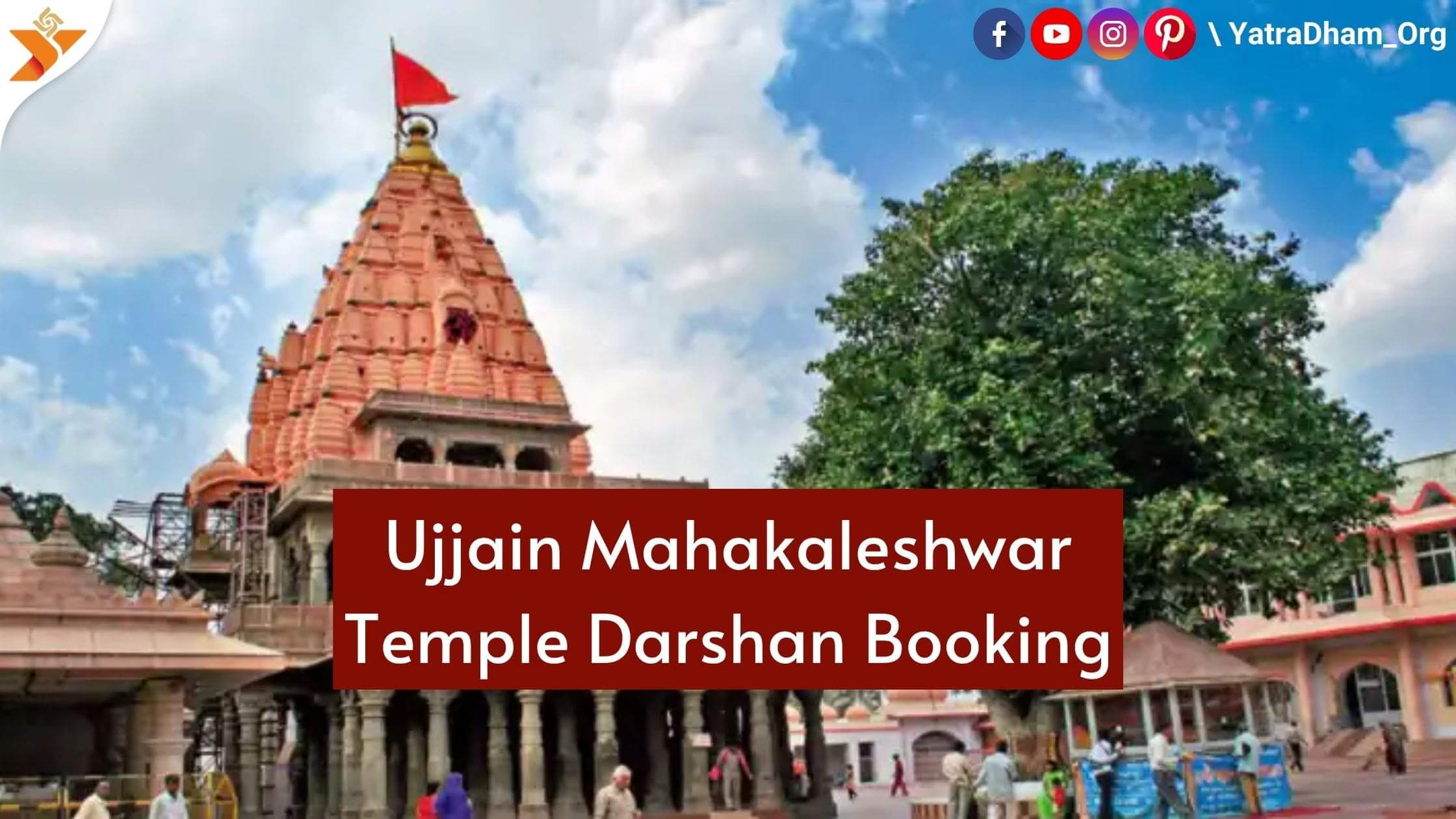
- Panchamrut Abhishek at Ujjain
- Rudrabhishek Puja at Varanasi
- Abhishek Puja at Grishneshwar
- Panchamrut Abhishek Puja at Ujjain
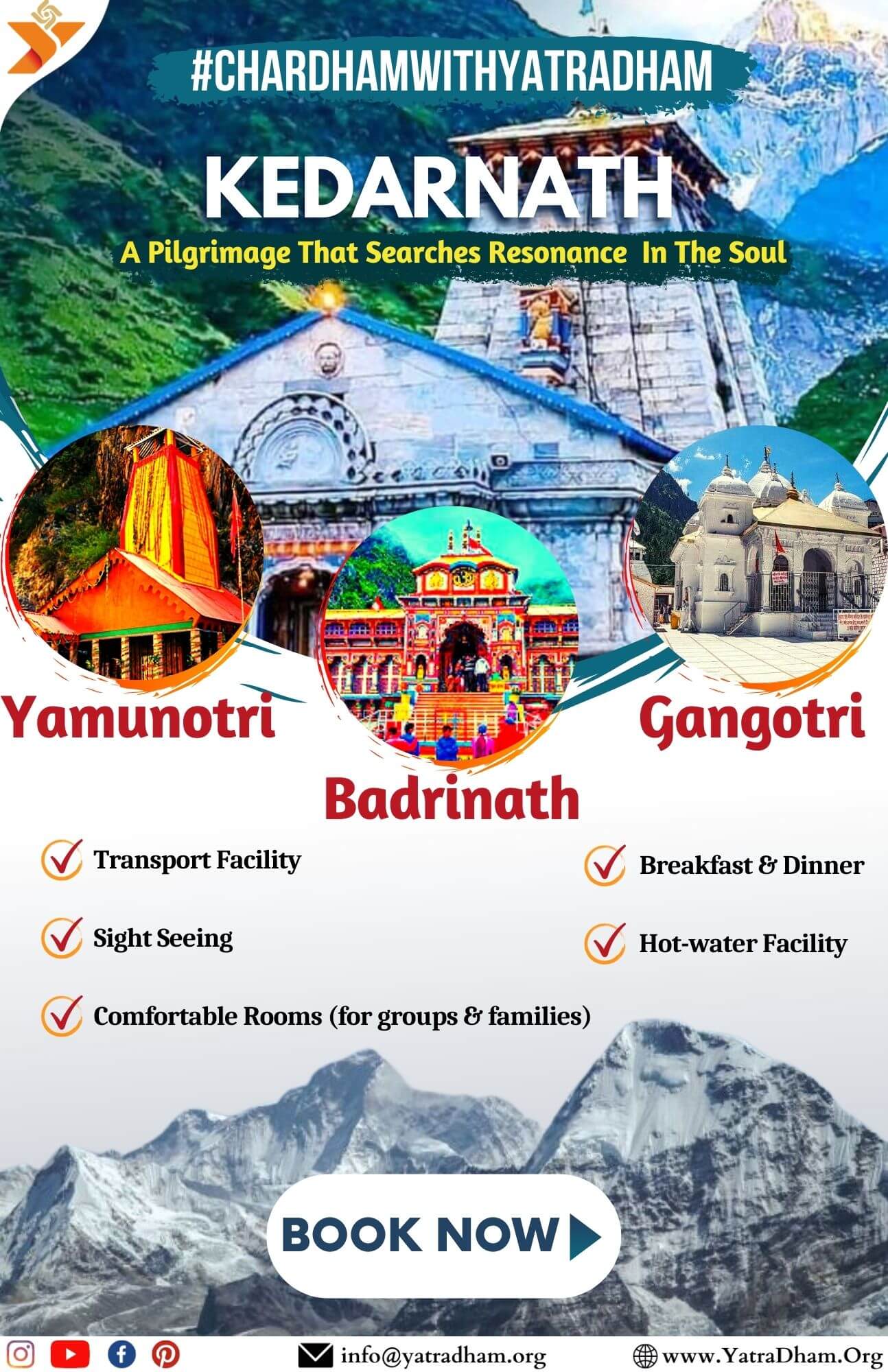
- Shodashopachar Puja at Kedarnath
- Rudrabhishek Puja at Nasik
- Laghu Rudrabhishek Puja at Trimbakeshwar
- Rameshwaram Rudrabhishek Puja
Mahashivratri Quotes
Also Check the Mahashivratri Status Video and Images blog for more such images.
Maha Shivratri Story
There are some stories connected to the origins of why Mahashivratri is celebrated. One is that Lord Shiva and Mata Parvati got married on this day. Householders and devotees in family life celebrate Mahashivratri to bring peace and happiness to their lives.
Another story is that Lord Shiva saved the world on this day by consuming the poison that came out during the Samudra Manthan. Mahashivratri is celebrated to mark that occasion. A third story is that this is the day when Maa Ganga descended to the earth.
To save the world from destruction from the force of Maa Ganga, Lord Shiva received Her in His Jata and released Her in different streams. One more story says this is the day when the formless Sadashiv appeared as a Linga (Lingodbhava) at midnight.
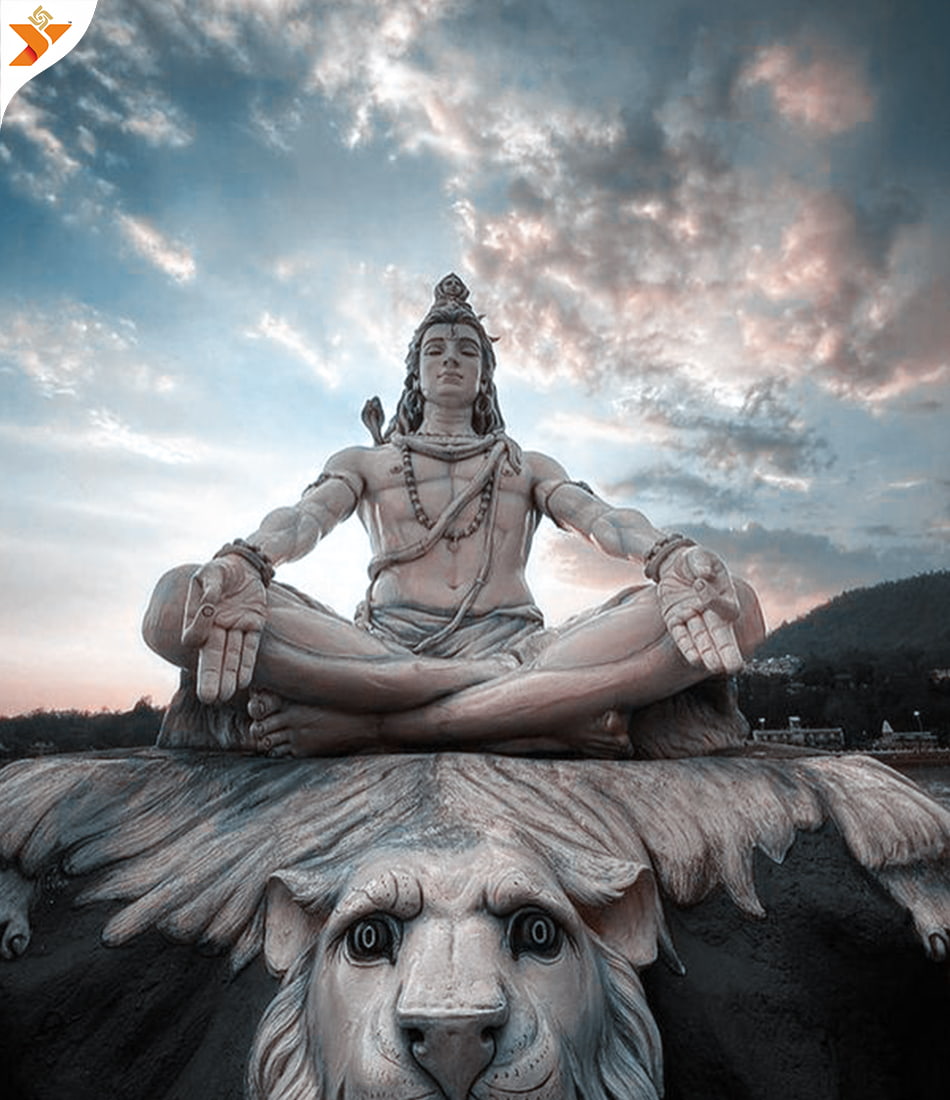
Yogis and ascetics believe this was the day Adi Yogi Shiva achieved superconsciousness after thousands of years of meditation. Adi Yogi Shiva is also the Adi Guru from whom the science of Yoga originated.
Mahashivratri is mentioned in Skanda, Linga, and Padma Puranas besides several other religious texts.
Maha Shivaratri 2026 Celebrations Across India
Mahashivratri is a festival that is observed and celebrated across the length and breadth of India. The twelve Jyotirling temples are the destination for millions of devotees. The temples have special festivities organized on this day.
Fairs and Melas, ranging from three days to ten days are held in numerous places. India is a country with millions of Shiva temples – big and small all over the country. Mahashivratri is a big day and special occasion for each of them.
Devotees offer prayers for well-being along with fruits, Bel leaves, Sweets, and milk to please Lord Shiva. Yogis and ascetics meditate the whole night sitting in padmasana with the spine straight.
The sacred mantras – ‘Om Namah Shivaya’ and Shiv Chalisa are continuously chanted. Mahashivratri can be celebrated for a day, three or ten days.
Maha Shivaratri Celebration of The Celestial Dance
Lord Shiva is well known for His celestial and cosmic dance of Creation, Preservation, and Destruction. It is believed that the Lord performs this dance on Mahashivratri.
Dance festivals are held at many temples in India including Konark Sun Temple, Khajuraho, Pattadakal, Chidambaram, and Modhera temples.
Most of these festivals have been going on since ancient times. This form of worship is known as ‘Natyanjali’, and its base is the ancient text – Natya Shastra.
Chidambaram temple is famous for sculptures depicting various dance mudras from the Natya Shastra. This festival has been held in Khajuraho for centuries.
A British explorer described the fair and dance festival in 1864 CE. He mentioned that people were camped for miles around the site during the festival.
Darkness to Light and ignorance to Knowledge
Mahashivratri always falls on the darkest night of the month. This can be a little puzzling for some people – why is this festival celebrated when the night is darkest? Should it not be the opposite? The answer to this lies in the science of Yoga. The word ‘Guru’ is of two parts. ‘Gu’ means darkness or ignorance.
‘Ru’ means light or knowledge. The blessed Guru takes a disciple from darkness to light. Lord Shiva is the first Guru (Adi Guru) of the world. He will take you from ignorance to knowledge and from darkness to light.
Meditation, prayers, and worship on this day will be of great benefit in taking the devotee closer to God, Light, and knowledge of the highest kind.
Famous Shiv Temple in India
- 58 feet tall Statue of Lord Shiva
- Biggest Shiva Temple in Delhi
- Shri Murudeshwar Temple
- Kuber Bhandari Shiva Temple
- Shree Somnath Jyotirlinga Temple
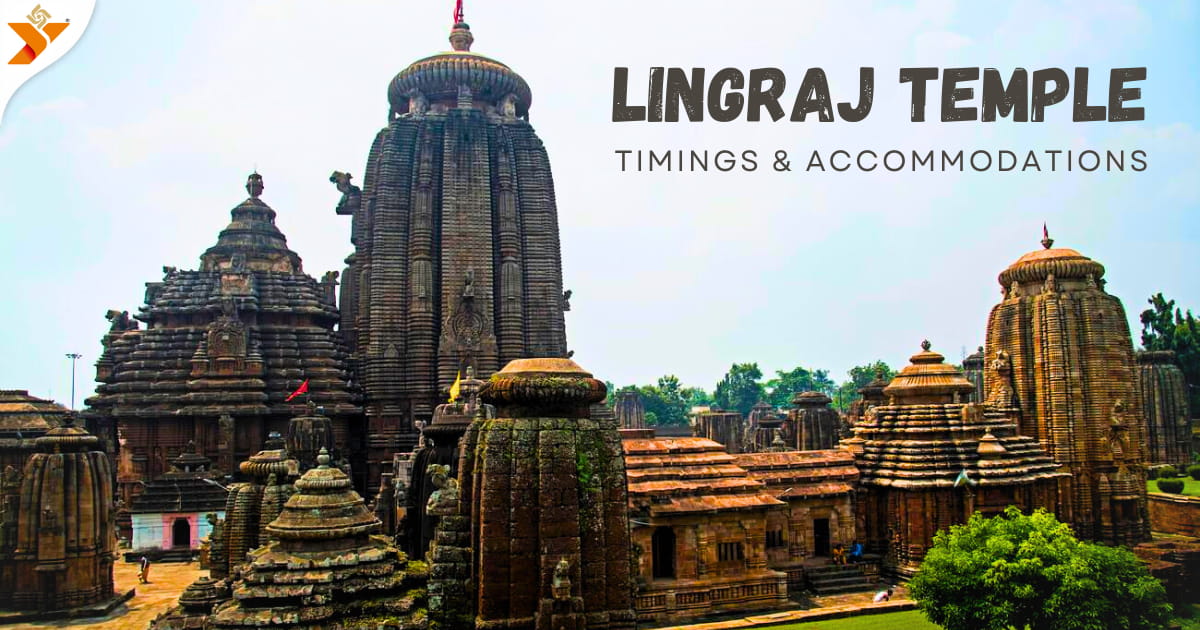
- Lingaraj Temple Orissa
- Gupteswar Cave Temple
This year celebrate Mahashivratri with Mahakal by leveraging the best accommodations facilities available near famous Shiva Temples in India.
Book our Dharamshala all over India from YatraDham.org.