

The divine Mount Kailash and Lake Mansarovar are among the holiest pilgrimage destinations for each religion, whether they are Buddhists, Jains or Bon followers. Known as the divine abode of Lord Shiva, the Kailash Mansarovar Yatra is not just a journey to the Himalayas but also a deeply spiritual experience that attracts lots of devotees each year.
Devotees believe that completing the Kailash Parikrama and taking a dip in Mansarovar Lake washes away all the sins and brings immense spiritual energy. Surrounded by the snow peaks, clean lakes and breathtaking landscapes, this yatra serves a perfect mixture of devotion, adventure and inner peace.
Why is the Kailash Mansarovar Yatra sacred?
According to the Hindu religion and strong belief, Lord Shiva meditates eternally on Mount Kailash along with Goddess Parvati. The mountain is referred to as radiating spiritual energy, attracting saints and devotees across the world.
Lake Mansarovar holds equal spiritual importance to Mount Kailash. Scriptures say that merely seeing the lake with devotion can purify the mind, while taking a dip is believed to cleanse sins built up over lifetimes.
The Yatra is also revered in the following:
- Buddhism
- Jainism
- Bon religion
Registration for Kailash Mansarovar Yatra
In the year 2026, registration for the Kailash Mansarovar Yatra will start from April 30. The preparations have almost been finished in Pithoragarh, Uttarakhand. This time too, the Yatra will be conducted from Lipulekh in Uttarakhand and Nathula Ghat in Sikkim.
There are 500 Shiva devotees divided into 10 groups, each from both the ghats, who will go on the Kailash Mansarovar Yatra. The administration and authority have started preparations for the management of the sacred yatra from the Lipulekh Ghat, situated in Pithoragarh, Kumaon.
| Details | Information |
|---|---|
| Registration Start | Open Now |
| Last Date to Apply | 19 May 2026 |
| Yatra Season | June to August 2026 |
| Organizing Authority | Ministry of External Affairs (MEA) |
| Selection Method | Computerised Draw System |
The selection process is conducted digitally through a fair computerised draw system for pilgrims.
Eligibility for Kailash Mansarovar Yatra
Plan your Kailash Yatra with family and start the divine journey. Pilgrims must fulfil the following conditions: Basic Eligibility
- Must be an Indian citizen
- Age between 18 and 70 years
- Valid passport required
- Physically and medically fit
Documents Required for the Yatra
Carry the necessary documents along with you on your journey to avoid inconveniences
Pilgrims generally need the following:
- Passport
- Passport-size photographs
- Medical fitness certificate
- Government ID proof
- Emergency contact details
Official Routes for Kailash Mansarovar Yatra 2026
The divine Kailash Mansarovar Yatra is completed through various routes. Each of them offers a different travel experience, adventures, difficulty level, time duration and scenery. Devotees can choose the route according to their physical fitness, budget and travel choice.
1. Kailash Mansarovar Yatra via Lipulekh Pass
This is the traditional and spiritual choice route operated under the surveillance of the government of India.
Route Overview
Starting from Delhi, the divine Kailash Mansarovar route travels via the Himalayan gateway of Kathgodam and continues into the spiritual mountain regions of Dharchula, Gunji and Navidhang. After that, crossing the ancient Lipulekh Pass into Tibet, people can reach Taklakot before reaching the Mansarovar Lake and Mount Kailash.
| Details | Information |
|---|---|
| Route Location | Uttarakhand and the Himalayan border regions near Tibet |
| Duration | Approximately 20 to 24 Days |
| Travel Type | Road journey, high-altitude trekking, and mountain walking |
| Major Attractions | Himalayan valleys, Kali River region, Om Parvat views and traditional pilgrimage trails |
| Difficulty Level | Difficult route requiring good physical fitness and stamina |
| Advantages | Spiritually traditional route with scenic Himalayan landscapes, adventure, and a divine pilgrimage experience together |
2. Kailash Mansarovar Yatra via Nathu La Pass
This route is believed to be one of the most comfortable options for pilgrims undertaking the Kailash Mansarovar Yatra. Executed under the supervision of the Government of India, the Nathu La route offers more road travel and less trekking compared to the Lipulekh route.
Route Overview
The Yatra starts from Delhi and proceeds to the picturesque Himalayan state of Sikkim, passing through Gangtok. Devotees then cross the famous Nathu La Pass near the Indo-China border and enter Tibet. The route further continues through the Tibetan plateau before reaching the holy Mansarovar Lake and the sacred Mount Kailash region.
| Details | Information |
|---|---|
| Route Location | Sikkim and Indo-Chinese Himalayan Border Regions |
| Duration | Approximately 18 to 21 Days |
| Travel Type | Mostly a road journey with limited trekking |
| Major attractions | Gangtok landscapes, snow-covered mountain roads, Tibetan plateau views and scenic Himalayan surroundings |
| Difficulty Level | Moderate difficulty with comparatively easier travel conditions |
| Advantages | Less trekking, comfortable road connectivity and suitable for senior citizens and family pilgrims |
3. Kailash Mansarovar Yatra via Nepal Route
The Nepal route is one of the most popular and quickest ways to reach Kailash Mansarovar. Lots of pilgrims prefer this route because of the helicopter services, shorter duration and comfortable travel arrangements.
Route Overview
The Yatra starts from Kathmandu and proceeds towards Nepalgunj, Simikot and Hilsa before entering Tibet near Taklakkot. From the location, devotees continue towards the divine Mansarovar Lake and finally receive darshan of Mount Kailash, surrounded by the Himalayan ranges.
| Details | Information |
|---|---|
| Route Location | Nepal and the Tibet Autonomous Region |
| Duration | Approximately 10 to 14 Days |
| Travel Type | Flight, helicopter service, road travel, and limited trekking |
| Major Attractions | Kathmandu temples, Himalayan helicopter views, Tibetan plateau landscapes, and sacred Mansarovar Lake |
| Difficulty Level | Moderate difficulty because of high-altitude conditions |
| Advantages | Faster journey, helicopter accessibility, reduced trekking effort, and suitable for pilgrims with limited travel time |
4. Kailash Mansarovar Helicopter Route
The Kailash Mansarovar Helicopter Route is the easiest way to reach the destination. The helicopter route is a premium and time-saving option widely preferred by senior citizens, families and pilgrims seeking a comfortable Kailash Mansarovar experience.
Route Overview
Pilgrims travel from Kathmandu to Nepalgunj and Simikot before taking a helicopter to Hilsa, which is close to the Tibetan border. The trip continues by road to Mansarovar and Mount Kailash after entering Tibet through Taklakot.
| Details | Information |
|---|---|
| Route Location | Nepal and Tibet Himalayan regions |
| Duration | Approximately 9 to 12 Days |
| Travel Type | Flight, helicopter transfer, and road travel |
| Major Attractions | Aerial Himalayan views, sacred lake region, Tibetan mountain landscapes, and Kailash darshan |
| Difficulty Level | Comparatively easier with less physical strain |
| Advantages | It saves time, minimises trekking, is comfortable for elderly pilgrims and offers quick access to the Kailash region |
Kailash Mansarovar Yatra 2026 Cost Details
The total cost of the entire Kailash Mansarovar Yatra depends on selecting a route, travel duration, helicopter or road trip options, accommodation categories and government or private packages. Selecting the right path for the Yatra is mandatory to enjoy it.
Route-Wise Kailash Mansarovar Yatra Cost 2026
There are various routes to reach the Kailash Mansarovar Yatra and it also depends on which route the pilgrims want to explore.
| Route | Approximate Cost | Duration | Difficulty |
|---|---|---|---|
| Lipulekh Pass Route | ₹2.09 Lakh | 20-24 Days | Difficult |
| Nathu La Pass Route | ₹3-3.5 Lakh | 18-21 Days | Moderate |
| Nepal Overland Route | ₹1.5-2.5 Lakh | 12-14 Days | Moderate |
| Nepal Helicopter Route | ₹2.5-4 Lakh | 9-12 Days | Easier |
| Luxury Private Packages | ₹5-8 Lakh+ | Flexible | Comfortable |
Lipulekh Pass Route Cost
The traditional Government of India route via Lipulekh Pass costs around Rs 2 lakh in 2026. This year, the yatra package cost increased by nearly Rs. 35000 compared to last year.
This Yatra include:
- Stay options
- Food options
- Internal transportation
- Medical support
- Permit processing
- Guides and related
Except for these facilities, additional expenses such as personal shopping, pony/porter services, travel insurance and other related facilities are on the pilgrims.
Nathu La Route Cost
The route through Nathu La Pass is comparatively more expensive due to longer road logistics and operational arrangements. The approximate cost of this route is Rs. 3 lakh to Rs. 3.5 lakh. The Nathu La Route cost is higher than other route packages because of comfortable transport, longer routes, better accessibility and less trekking involved during the yatra.
Nepal Route Cost
The Nepal route is very popular with Indian pilgrims. Where they can be easily accessible from any part of the Indian region. The Nepal route provides two options for overland travel in Nepal and the helicopter Nepal route. Costs of both routes are different, where helicopter services include Rs 2.5 to 4 lakh and overland costs range from Rs 1.5 lakh to 2.5 lakh. These are the tentative and approximate prices, where the exact price depends on selecting the hotel category, group size and some luxury services.
Included things in Kailash Yatra Packages
During the Kailash Yatra 2026, most packages generally include the following:
- Permit for the Tibet region
- Group visa
- Accommodation
- Veg meals
- Transportation
- Guides
- Medical assistance
- Border transfers
Excluded things in Yatra Packages
Yatra packages provide almost all of the basic facilities, but if you want additional or the best facilities, then some of the things are not included in the packages, such as the following:
- Personal expanses
- Pony or porter services
- Oxygen cylinder charges
- Emergency rescue
- Insurance
- Flight tickets (if you want)
Om Parvat Darshan During Kailash Mansarovar Yatra
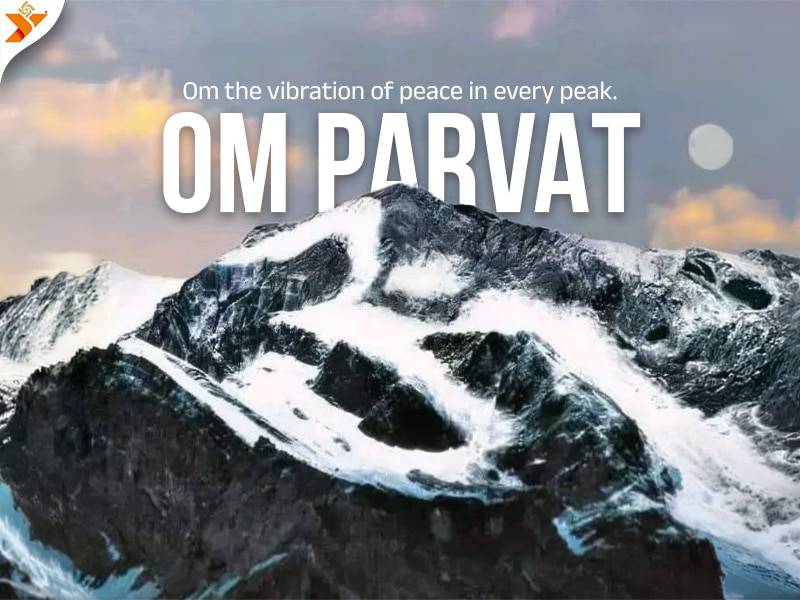
During the Kailash Mansarovar Yatra by the Lipulekh Pass route, devotees can also get the opportunity to witness the sacred Om Parvat. Situated near Nabidhang ahead of Gunji in the Himalayan region of Uttarakhand, Om Parvat is widely known and famous for the naturally formed “ॐ” symbol visible on the snow-peak mountain surface, making it a spiritually important attraction for devotees.
After crossing the ancient Lipulekh Pass, people enter Tibet through Taklakot and continue the spiritual journey towards Lake Mansarovar and Mount Kailash. Mount Kailash is believed to be the divine abode of Lord Shiva and holds immense spiritual importance in religions such as Hinduism, Buddhism and Jainism. Before 1962, there were no restrictions on the routes. After the India-China war, the Yatra was suspended for several years. Later, with the support and coordination of the Ministry of External Affairs, Government of India, the Kailash Mansarovar Yatra was resumed with mandatory passport and permit requirements for each pilgrim.
Kailash Mansarovar Yatra 2026 Travel Guide
People who are thinking and planning for the Kailash Mansarovar Yatra 2026 should prepare properly for high-altitude travel, changing weather conditions and long journey durations. The yatra can be completed through the Lipulekh Pass, the Nathu La Pass or the Nepal routes, depending on comfort, budget and travel preference. Along with you, it is mandatory to carry the government. Issued ID valid documents, extra warm clothes, trekking essentials, necessary medicines and maintaining good physical fitness are highly important for a safe and comfortable pilgrimage experience. The best time to visit Mount Kailash and Lake Mansarovar is between May and August when weather conditions remain comparatively stable.
Resting is necessary during the Yatra. If pilgrims come from the Uttarakhand side and want to stay in comfortable accommodation, then YatraDham.Org comes with several good options to accommodate them nicely.
FAQ’s
The Kailash Mansarovar Yatra 2026 is expected to start between June and August, depending on weather and government schedules.
Pilgrims should carry warm clothes, trekking shoes, medicines, passports, energy snacks and essential travel documents.
Om Parvat is famous for the naturally formed “ॐ” symbol visible on the snow-covered mountain surface.
Yes, a valid passport is mandatory for the Kailash Mansarovar Yatra.
The Nepal helicopter route and Nathu La route are easier routes for the Kailash Mansarovar Yatra because they involve less trekking.