
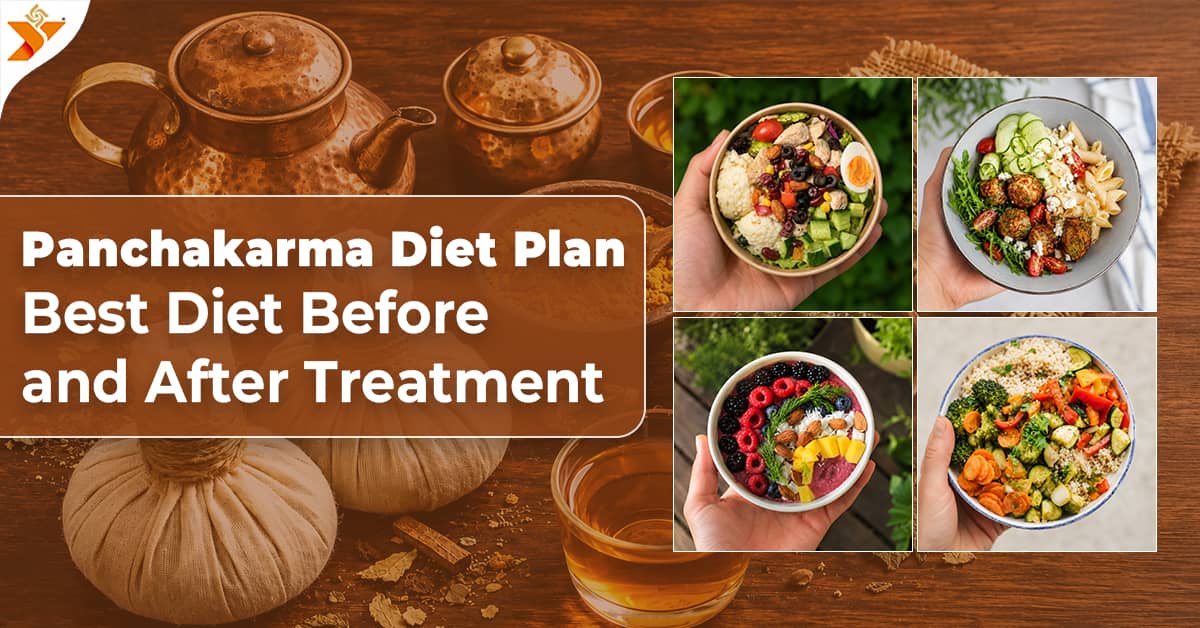
Panchakarma is one of the most important cleansing and rejuvenation therapies in Ayurveda. It helps remove toxins from the body, balance the doshas (Vata, Pitta, and Kapha), improve digestion, and support overall well-being. However, the success of Panchakarma does not depend only on the treatments. Following the right diet before and after the therapy is equally important.
A proper Panchakarma diet prepares the body for detoxification and helps maintain the benefits of the treatment afterward. Eating the right foods can support digestion, improve energy levels, and allow the body to heal naturally.
Why Diet Matters During Panchakarma
According to Ayurveda, digestion plays a key role in health. When digestion becomes weak, toxins (Ama) accumulate in the body and can lead to various health problems. Panchakarma helps eliminate these toxins, but dietary discipline is necessary to ensure the cleansing process works effectively.
A suitable diet can:
- Prepare the body for detoxification
- Support digestive strength
- Reduce toxin buildup
- Improve treatment results
- Help the body recover after cleansing
- Maintain long-term health benefits
Diet Before Panchakarma Treatment
Preparing the body before Panchakarma is essential. Ayurveda recommends eating light and easily digestible foods for a few days before beginning the treatment.
Foods to Eat Before Panchakarma
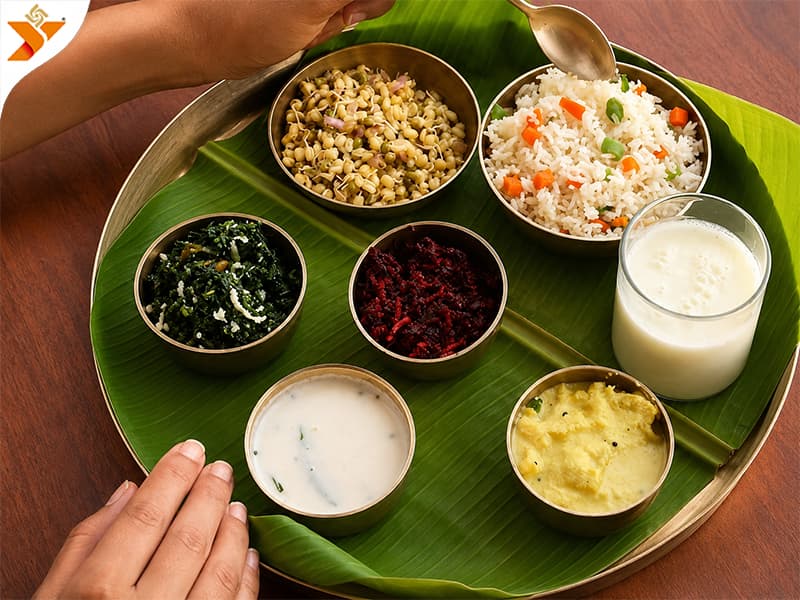
Khichdi
Khichdi made with rice and moong dal is one of the best foods before Panchakarma. It is light, nourishing, and easy to digest.
Cooked Vegetables
Steamed or lightly cooked vegetables help support digestion without putting stress on the digestive system.
Good options include:
- Bottle gourd
- Pumpkin
- Carrot
- Ridge gourd
- Ash gourd
- Spinach
Warm Soups
Vegetable soups provide nutrition while remaining easy on the stomach.
Fresh Fruits
Choose seasonal fruits that are easy to digest, such as:
- Papaya
- Apple
- Pomegranate
- Pear
Herbal Teas
Warm herbal teas can help support digestion and hydration.
Foods to Avoid Before Panchakarma
To prepare the body properly, avoid:
- Fried foods
- Fast food
- Packaged snacks
- Refined sugar
- Soft drinks
- Excess tea and coffee
- Red meat
- Processed foods
- Heavy dairy products
- Alcohol
General Dietary Tips Before Treatment
- Eat meals at regular times.
- Prefer warm, freshly prepared food.
- Avoid overeating.
- Drink warm water throughout the day.
- Eat slowly and mindfully.
Diet During Panchakarma
During Panchakarma, the digestive system becomes more sensitive. Most Ayurvedic practitioners recommend a simple and light diet.
Common foods include:
- Khichdi
- Rice gruel
- Vegetable soups
- Cooked vegetables
- Warm herbal drinks
- Light lentil preparations
The exact diet may vary depending on the individual’s body constitution and the type of Panchakarma being performed.
Diet After Panchakarma Treatment
The period after Panchakarma is known as the recovery phase. At this stage, the digestive system gradually regains strength. Introducing heavy foods too quickly may reduce the benefits of the treatment.
Foods to Avoid After Panchakarma
For at least a few days after treatment, avoid:
- Oily foods
- Deep-fried foods
- Fast food
- Excessive spices
- Cold drinks
- Ice cream
- Bakery products
- Processed foods
- Alcohol
- Smoking
- Heavy meat preparations
Sample Panchakarma Diet Plan
Early Morning
- Warm water
- Herbal tea
Breakfast
- Stewed apple or papaya
- Light porridge
Lunch
- Khichdi
- Cooked vegetables
- Warm soup
Evening
- Herbal tea
- Fruit if recommended
Dinner
- Light khichdi
- Vegetable soup
Foods to Eat After Panchakarma
Light Khichdi
Khichdi remains one of the best recovery foods after Panchakarma because it is gentle on digestion.
Rice and Moong Dal
Simple meals prepared with rice and moong dal are easy to digest and provide nourishment.
Cooked Seasonal Vegetables
Soft, cooked vegetables help the digestive system adapt gradually to regular meals.
Fresh Fruits
Add fruits slowly and choose easy-to-digest varieties.
Homemade Soups
Vegetable and lentil soups provide hydration and nutrients without burdening digestion.
Warm Water
Warm water supports digestion and helps maintain the cleansing benefits of Panchakarma.
Foods to Avoid After Panchakarma
For at least a few days after treatment, avoid:
- Oily foods
- Deep-fried foods
- Fast food
- Excessive spices
- Cold drinks
- Ice cream
- Bakery products
- Processed foods
- Alcohol
- Smoking
- Heavy meat preparations
Sample Panchakarma Diet Plan
Early Morning
- Warm water
- Herbal tea
Breakfast
- Stewed apple or papaya
- Light porridge
Lunch
- Khichdi
- Cooked vegetables
- Warm soup
Evening
- Herbal tea
- Fruit if recommended
Dinner
- Light khichdi
- Vegetable soup
Lifestyle Tips After Panchakarma
To maintain the benefits of Panchakarma:
- Get adequate sleep.
- Avoid excessive physical exertion.
- Practice gentle yoga and meditation.
- Stay hydrated.
- Eat fresh and natural foods.
- Follow a regular daily routine.
- Manage stress effectively.
Common Mistakes to Avoid
Many people reduce the effectiveness of Panchakarma by making dietary mistakes after treatment.
Avoid:
- Returning immediately to heavy meals
- Eating fast food frequently
- Skipping meals
- Overeating
- Consuming excessive caffeine
- Eating late at night
Benefits of Following a Proper Panchakarma Diet
When dietary guidelines are followed correctly, Panchakarma may help:
- Improve digestion
- Increase energy levels
- Support natural detoxification
- Promote better sleep
- Enhance mental clarity
- Improve overall well-being
- Support long-term health and balance
Book Panchakarma Packages Online via YatraDham.Org
Planning a Panchakarma retreat is simple with YatraDham.Org. Find comfortable stays near Ayurvedic wellness centres and book your accommodation online for a peaceful and rejuvenating experience.
- Easy booking
- Verified stays
- Affordable rooms
- Prime locations
- Comfortable stay options
Yatradham App Download
Download the YatraDham App to book verified stays easily at religious destinations.
FAQ’s
Before Panchkarma, it is best to eat light and easily digestible foods such as khichdi, cooked vegetables, soups, fresh fruits, and warm herbal teas.
Yes, warm water supports digestion, helps flush out toxins, and aids the body’s natural healing process.
The duration varies depending on the treatment and individual needs, but many Ayurvedic practitioners recommend following a light diet for at least 3–7 days after Panchakarma.
The main purpose of a Panchakarma diet is to support detoxification, strengthen digestion, promote healing, and help maintain the benefits of the treatment.